Shorter days, darker evenings: looking after your wellbeing this autumn
Do you have a bit of a love-hate relationship with the changing seasons? I know I do.
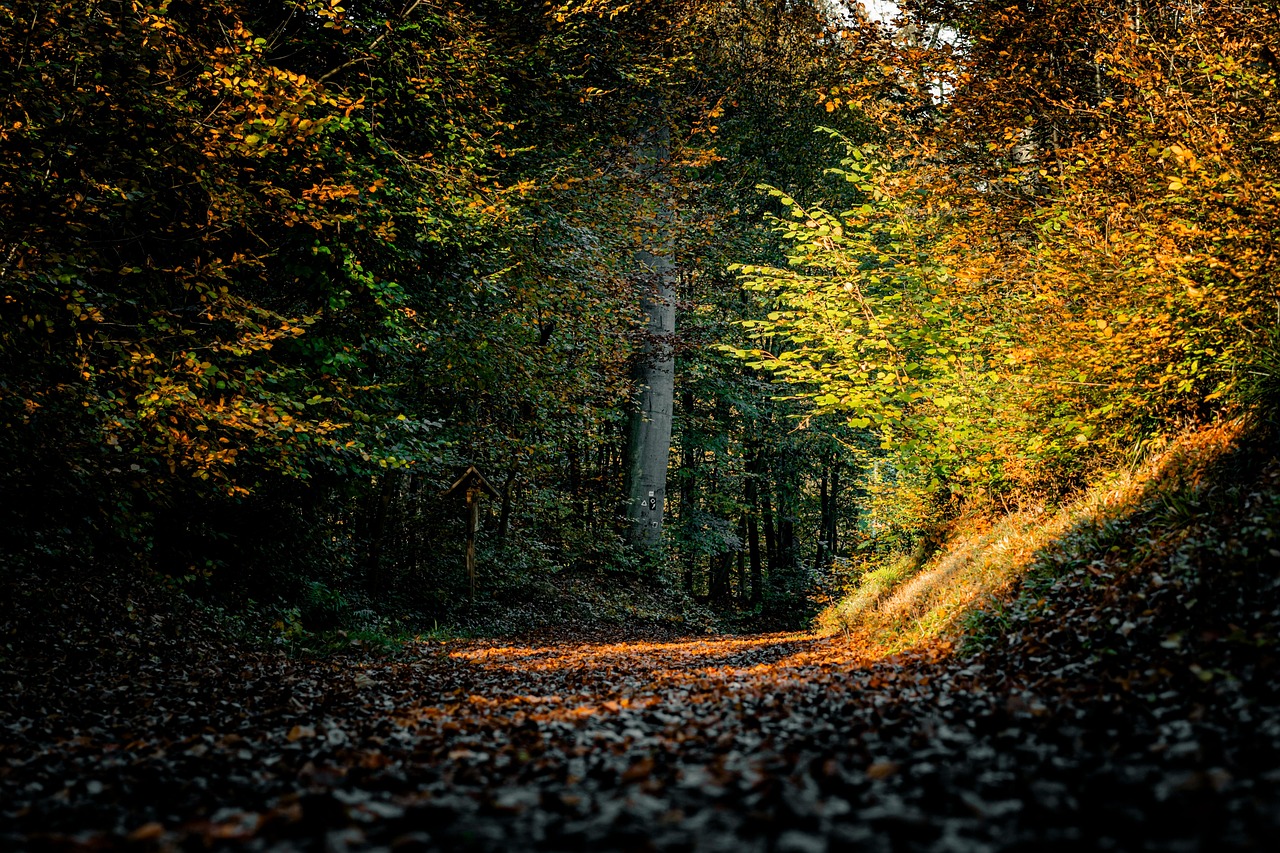
I love getting my winter coats, hats and scarves back out. I love those crisp autumn days, the changing colours and walking through all those lovely golden-brown leaves with the pampered pooches.
What I don’t love quite so much is losing the daylight.
My walks with the pampered pooches are one of my favourite parts of the day. They give me a chance to properly switch off, clear my head and relax after a busy day, while my morning walk helps me kick-start the day. So when the nights start drawing in, those walks become much harder to fit in during daylight hours. And if I’m honest, the pampered pooches aren’t quite as enthusiastic about walking in the dark either!
I also miss sitting in the garden in the evening, enjoying that little bit of time outside before the day comes to an end.
And I think that’s one of the things about changing seasons that we don’t always talk about.
It’s not necessarily that autumn or winter makes us feel bad. It’s that some of the things that naturally help us feel good can become harder to do.
The amount of daylight we get changes, our routines can change and we might naturally spend less time outside. For some people, that can have an impact on mood, energy, sleep and motivation.
So, as we move into autumn, I thought I’d share a few simple things that might help you look after yourself as the seasons change.
There’s a reason the change in daylight can affect how we feel
Our brains and bodies use light as an important cue for our body clock, which helps regulate things like sleep and wakefulness. As the days get shorter and we have less natural light, this can affect our sleep patterns and, for some people, their mood and energy too.
And then there’s the simple fact that we often do less of the things that help us feel good. We might spend less time outside, move less or see friends less often. All of those little changes can add up.
So it’s not surprising that some of us notice a difference when the seasons change.
Make the most of the daylight
This is probably the one I notice most personally.
When daylight becomes limited, it can be really easy to spend most of the day indoors, particularly if you’re working from home or have a busy schedule.
So, wherever possible, make the most of the daylight when you have it.
It might be a walk at lunchtime, sitting outside with a cuppa or simply stepping away from your desk for a few minutes.
And if, like me, getting outside is something that helps you feel calmer and clearer, it’s worth thinking about how you can keep a little of that in your routine even when the days get shorter.
Keep moving
I know that when it’s cold, wet and dark, getting out for a walk can be the last thing you feel like doing!
But movement can be a helpful way of supporting both our physical and emotional wellbeing, and it doesn’t have to mean joining a gym or taking on a new fitness challenge.
A walk, some gentle exercise, stretching, dancing around the kitchen to your favourite tunes… whatever works for you.
The trick is finding something that feels enjoyable or manageable rather than something else to add to the never-ending to-do list.
Look after your sleep
The changing seasons can also affect our sleep and energy.
If sleep is already something you struggle with, autumn can be a good time to have a little look at your evening routine.
Are you giving yourself some time to slow down before bed? Are your sleep and wake times reasonably consistent? Are you spending your evenings trying to squeeze just one more thing into the day?
Sometimes creating a little more space to wind down can help.
And I’m a big believer that rest isn’t something we need to earn. We all need time to pause and recharge.
Keep doing the things that make you feel good
This one sounds simple, but it’s so easy to forget.
When life gets busy, the things we enjoy can quickly slip down the priority list.
A cuppa and natter with a friend. Reading a book. Getting outside. Listening to music. Having a lovely meal. Making time for a hobby. A bath. A walk with the dogs.
They might seem like little things, but those little things matter.
For me, those walks aren’t just about exercising the pooches. They’re part of how I look after myself. They’re a chance to breathe, think, switch off and just be for a while.
So, as autumn arrives, perhaps think about what gives you that feeling and how you can make sure there’s still room for it.
And what about SAD?
For some people, though, the change in season can be more than simply feeling a little less energetic or wishing the summer would stick around for longer.
Seasonal Affective Disorder, or SAD, is a type of depression that follows a seasonal pattern. Symptoms can include persistent low mood, loss of interest in things you usually enjoy, tiredness, changes in sleep and difficulty concentrating.
You can read more about this in my blog Seasonal Affective Disorder (SAD): why this is more than just the ‘winter blues’.
If you’re noticing persistent changes in your mood or wellbeing, it’s important to speak to your GP or another appropriate healthcare professional.
Honestly… you don’t have to sort everything all at once
I think this is probably the biggest thing I’d like to leave you with.
When the seasons change, you don’t suddenly need a whole new routine or a long list of things you should be doing.
Perhaps it’s simply about noticing what helps you feel good and making a little more room for it.
For me, that’s my walks with the pampered pooches and time with friends, ideally with a cuppa and cake.
For someone else, it might be a morning coffee in the garden, a weekly catch-up with a friend, getting back to a hobby, or making sure there’s some daylight and fresh air in the middle of the working day.
As autumn arrives, perhaps one little question is all you need to think about for now…
What is one small, meaningful thing that helps you feel calmer, clearer or more like yourself?
If things are feeling a little harder for you at the moment
Sometimes changes in routine, sleep, energy and the demands of everyday life can leave us feeling stressed, overwhelmed or simply not quite ourselves.
If you’re finding things difficult to manage and would like some support, I work with people to help them feel calmer, clearer and more in control, using practical, solution-focused hypnotherapy.
If you’ve ever wondered how Solution Focused Hypnotherapy works and whether it might be right for you, I’ve explained more about the approach in my blog, Solution Focused Hypnotherapy in Nottingham: What Is It and How Could It Help?
You can also read more about how I can support you on my stress and overwhelm service page, or get in touch to arrange a free, no obligation 45-minute initial consultation at katie@katiedeacon.co.uk.
More Blog Articles